Can I Make a Claim if the Dealership Closed Down or Changed Ownership?
Guide 3 December 2025 |  | Shannon Smith O'Connell |
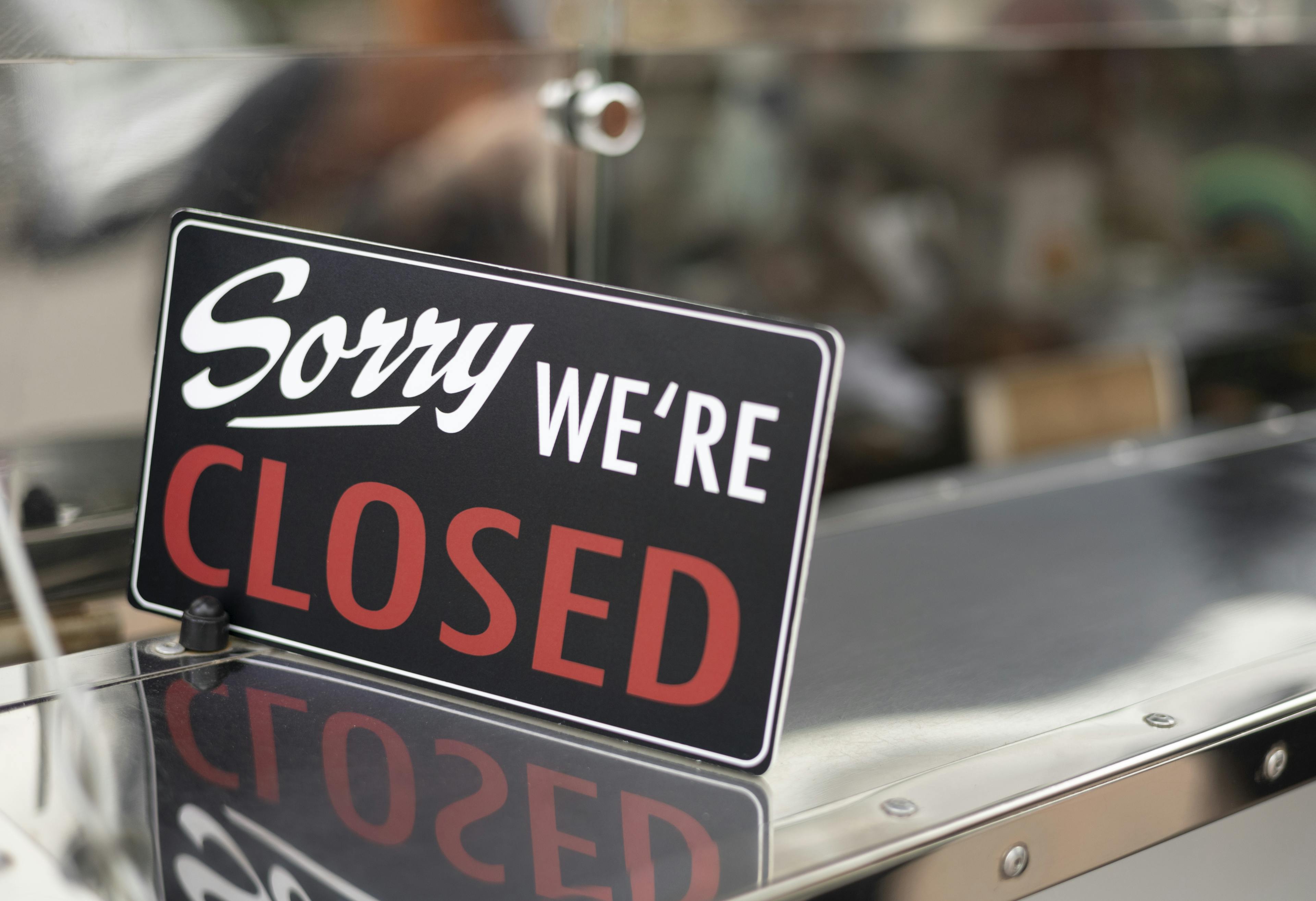
Yes, it is still possible to claim even if your car finance dealership has closed or changed ownership. You make a complaint to the finance provider, rather than the dealership directly. It is the lender’s responsibility to ensure that agreements are fair and compliant, whatever happens to the dealership itself. If a dealership enters into administration, is sold or rebrands itself, the lender is still responsible for the contract terms and any mis-selling of car finance. So, you can still make a claim if the dealership where you arranged your car finance has closed down. Mis-sold agreements can be investigated by consumers, and redress can be obtained either through the lender or through the Financial Ombudsman, fully protecting the consumer’s rights.
Why Dealership Closure Isn’t a Barrier
The main reason for this is that the mis-selling is tied to the finance agreement rather than the existence of the dealer. All lenders keep records of these agreements and are required under FCA rules to investigate legitimate claims. As a result, the demise of the dealer does not absolve the lender from liability for mis-sold car finance. Historic dealership behaviour is documented in lender systems, meaning the circumstances of the original sale are still reviewable. This ensures that consumers’ rights remain protected, whether the dealership has closed, been acquired, or rebranded.
FCA rules also provide guidance to lenders that all complaints must be fairly investigated, regardless of time elapsed or dealership status. This approach protects consumers from losing access to compensation simply because a business has ceased trading.
Performing a Mis-Sold Car Finance Check: Why It Matters
If you are not sure if your agreement was fair, then the first step would be a mis-sold car finance check. Lots of people find historic problems when they start to look back over old agreements and it makes sense given the huge volume of recent car finance claims. This could involve hidden fees, misleading terms or unnecessary add-ons. All lenders have a responsibility to put these problems right. The severity of mis-selling in the industry has led some to ask "Is Car Finance the UK’s Next Financial Crisis?"
The agreement should be checked to see if your contract was placed under a discretionary commission scheme or some other form of incentive that may have affected the sales advice given. If you know what you agreed and understand the implications, it is easy to see if you may have been mis-sold car finance and whether or not you should complain. Handing the task over to a fully regulated claims management company would make this part easier for you as they will also check all the relevant paperwork.
For ongoing awareness, it’s helpful to consult the latest updates on car finance claims in the UK so you remain informed about FCA guidance and emerging trends in compensation. Taking these steps ensures that even if your dealership has closed or changed ownership, your rights to a claim are fully protected.
Context for Late 2025
In some cases, the dealerships that sold products and services during the 2010–2020 period have gone out of business, become part of another dealership, or change of ownership. However, according to guidance from FCA, historic agreements fall under the remit of the regulator, and individuals can make complaints about mis-selling, whether PCP claims, mis-sold add-ons or misrepresented terms, even in these cases.
The FCA is consulting on the best approach for lenders to deal with mis-sold car finance [1]. The consultation period runs from October to 12 December 2025 [2]. While lenders are not required to respond to claims until 4 December 2025 [3], a hold on processing complaints is not a rejection of the claim, including where it involves a dealership that has since become defunct.
If anything, the FCA and lenders are increasingly focused on addressing historic mis-selling practices, as highlighted in discussions around the car finance scandal. This sets the scene as to why a mis-sold car finance check and advice from the experts has never been so important. Lenders are being made responsible for historic agreements and are having to deal with complaints even where a dealership has gone out of business.
Example Scenario
Imagine a customer who bought a car on a PCP deal from a dealer that went out of business in 2019. The dealer's records were kept by the finance provider. The customer made a mis-sold finance complaint to the lender directly. The lender is expected to make a response after the FCA lifts its pause on handling complaints.
This example illustrates that the closure or sale of a dealership does not block access to redress. Consumers are still protected by the lender's rules, and historic mis-selling complaints can still be made. If you have a standard car finance or a complicated PCP contract, the process is the same.
Conclusion
Dealership closure or change of ownership does not reduce the validity of a mis-sold car finance claim. The finance provider is liable for all agreements and mis-selling or unfair terms can be complained about to them by consumers. To see if you are eligible or not, use our simple eligibility checker over at Reclaim247. For further guidance, read How far back can I go with my car finance mis-selling claim? or learn What’s the role of the Financial Ombudsman in car finance redress?.
_____
References:
- the FCA is consulting on the best approach for lenders to deal mis-sold car finance - https://www.fca.org.uk/news/statements/fca-consults-motor-finance-compensation-scheme
- The consultation period runs from October to 12 December 2025 - https://www.fca.org.uk/news/statements/motor-finance-compensation-scheme-consultation-progress-and-timing
- lenders are not required to respond to claims until 4 December 2025 - https://www.fca.org.uk/publications/policy-statements/ps24-18-further-temporary-changes-handling-rules-motor-finance-complaints#:~:text=The%20rules%20described%20in%20this,until%20after%204%20December%202025.