Motor Finance Late Payments Climb 44% in Past Year, More UK Motorists Finding it Hard to Service Agreements
News 17 November 2026 |  | Shannon Smith O'Connell |
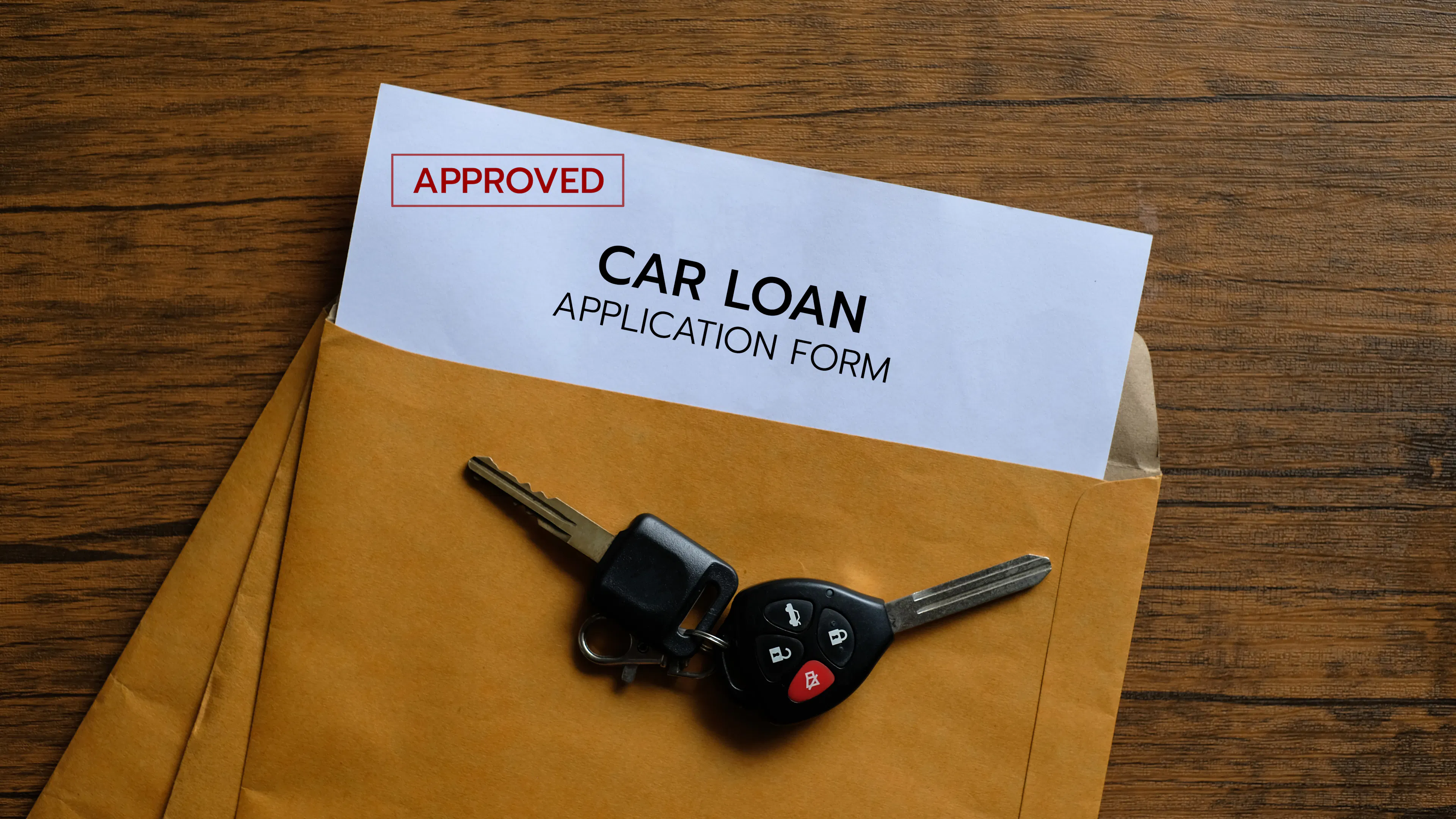
New data indicates an uptick in the number of UK drivers failing to meet the terms of their motor finance deal.
GoCardless and Aryza released findings on 12 November 2026 which revealed that late payments had increased by 44% [1]. From 9.8% last year, the rate of late payments has now grown to 14.1%, outpacing all other loan types.
The picture across consumer lending is also concerning, with late payments rising by 24% overall.
For people paying off a car through Personal Contract Purchase (PCP) or Hire Purchase (HP), the figures reflect a problem that can be difficult to manage. A monthly payment that once fitted comfortably into the household budget may become harder to afford when other expenses start climbing.
The findings arrive while the car finance scandal continues to attract attention, although the research deals with a different issue. It focuses on customers falling behind with current repayments, rather than the historic commission practices covered by the FCA's compensation scheme.
What's behind the rise in missed car finance payments?
The research draws on responses from 250 professionals working in UK lending and collections.
Across the sectors surveyed, respondents pointed to financial hardship, affordability problems when loans were first arranged and wider economic pressures as common reasons for late payments.
For many households, the cost of owning a car goes well beyond the monthly finance instalment. Insurance renewals, fuel, servicing and unexpected repairs all compete for money that may already be stretched.
Someone who agreed to a manageable monthly payment two or three years ago could now be facing a very different financial situation.
A drop in income, higher household bills or an unexpected expense may be enough to push a repayment past its due date.
The research does not show how many individual motorists have missed payments, nor does it establish why each late payment occurred.
It does, however, suggest that repayment pressure has become more widespread among the lenders surveyed.
Motor finance has seen a bigger increase than other lending sectors
Motor finance recorded the largest relative rise in late payments, at 44%.
Unsecured personal loans saw an increase of 22%, while Buy Now, Pay Later providers reported a 16% rise.
The research also found that larger lenders appeared to be experiencing fewer changes in repayment performance.
Among firms with annual turnover above £250 million, late payment rates remained relatively stable, moving from 8.7% to 8.8%.
Among those reporting turnovers from £25m-£249.9m, the average level of late payments was 12.2% and saw rises as high as 28%.
As such, there is clear evidence of some segments being more affected than others.
Further consideration should be given to what measures are taken by lenders to flag at-risk borrowers and intervene prior to higher levels of default.
Could better payment systems help borrowers avoid arrears?
The study also examined how lenders use artificial intelligence and automated systems to manage overdue payments.
Although 94% of respondents said their organisation used AI in some part of its collections process, only 29% had fully incorporated it into day to day operations.
The figure was considerably higher among the largest lenders, reaching 59%.
Motor finance businesses reported the lowest level of full AI adoption, at just 18%.
The research found an association between more developed collection systems and better repayment performance. It did not prove that AI was responsible for reducing missed payments.
A lender with effective systems may be better placed to spot a missed instalment quickly, send a reminder or offer a more convenient way to make a payment.
But there is a limit to what technology can achieve.
If someone is struggling to cover rent, energy bills and other essentials, an automated reminder will not solve the underlying affordability problem.
That is why the way lenders deal with customers in financial difficulty matters.
Support should take account of the borrower's circumstances rather than simply focusing on recovering a missed payment.
What can you do if your PCP or HP finance payments are becoming unaffordable?
As soon as you find yourself struggling with car finance payments, get in touch with your finance company. There's no requirement to default on a payment first.
Simply explain your current circumstances and state a level of payment that you are comfortable with. Your finance company should be happy to assist you in the short-term, possibly varying the term of your finance.
However, it's important that you consider the implications this may have on the total cost of your finance. While reducing your payment may allow you to continue driving your car, you may end up paying a greater sum over an extended period. Furthermore, enquire if the revised terms will have any impact on your credit file.
Defaults can snowball if not dealt with promptly. If your account goes into arrears, further fees may apply, your credit file will reflect this and ultimately, in extreme situations, your car could be repossessed.
There are a number of no-cost debt services available who can assist you to assess your budget and determine a suitable payment before you enter into a variation.
Can you give back a car if you can no longer afford it?
For some motorists, keeping the vehicle may no longer be realistic.
Certain PCP and HP agreements give customers the right to end their finance early through voluntary termination under the Consumer Credit Act 1974.
In general, this allows a customer to end an eligible agreement once they have paid at least half of the total amount payable. If they haven't reached that amount, they may need to pay the difference.
There is an important detail for PCP customers.
The total amount payable includes the final balloon payment, not just the monthly instalments. Being halfway through the agreement therefore doesn't necessarily mean you've reached the 50% threshold.
Outstanding arrears or other permitted liabilities may also need to be addressed.
Voluntary termination is a formal process. It isn't the same as simply returning the keys to the dealership or stopping payments.
Before making a decision, ask your lender for a breakdown showing how much you've already paid and what you may still owe.
Does missing a payment affect your right to make a car finance claim?
Not necessarily.
The recent increase in late repayments concerns customers' ability to keep up with their finance agreements.
The FCA's Motor Finance Redress Scheme deals with something different: historic commission arrangements that may have made certain agreements unfair.
A motorist who missed payments could still have a valid complaint about commission.
Someone who paid every instalment on time could also qualify for compensation.
What matters is the finance agreement itself, including the commission arrangements, what was disclosed and whether the agreement meets the scheme's eligibility rules.
The FCA scheme covers potentially eligible motor finance agreements entered into between 6 April 2007 and 1 November 2024.
Our car finance scandal explained guide looks at the practices involved and why some motorists may be entitled to motor finance compensation.
There is one distinction customers should keep in mind.
Making a car finance mis-selling claim does not mean you can stop paying an active PCP or HP agreement.
The finance contract remains in place unless the lender agrees to change the terms or the agreement is otherwise lawfully ended.
Could car finance compensation help people struggling with repayments?
For some motorists, compensation for an unfair historic agreement could eventually provide welcome financial relief.
The FCA estimates that eligible agreements could receive an average payout of around £829 [4], although the actual amount will depend on the individual circumstances.
The difficulty is that most customers still don't know whether they will receive compensation or when any payment might arrive.
The wider FCA Motor Finance Consumer Redress Scheme remains partially suspended while legal challenges continue.
The Upper Tribunal is scheduled to hear those challenges from 16 February to 3 March 2027 [5], with a judgment expected afterwards.
Some lenders may choose to settle complaints early. The FCA has confirmed that voluntary settlement offers are permitted, provided they meet the regulator's expectations.
However, there is no general requirement for lenders to begin paying compensation before the proceedings conclude.
For anyone struggling with their car finance repayments or car finance arrears today, a possible future refund is not something they should rely on to cover upcoming instalments.
The amount and timing remain uncertain.
Motorists who believe an old agreement involved unfair commission can still look into their eligibility.
A car finance refund check may help identify agreements worth investigating.
Consumers can also complain directly to their lender for free.
Our FCA car finance compensation guide explains how the scheme works and why the legal challenges are affecting the timetable.
What do the figures mean for motorists?
The reported 44% increase is significant, but it needs to be understood in context.
The late payment rate rose from 9.8% to 14.1%. That is an increase of 4.3 percentage points, or approximately 44% relative to the previous figure.
It does not mean 44% of motorists are behind with their finance.
The research is also based on responses from lending and collections professionals, rather than official FCA arrears data covering every motor finance provider.
Even with those limitations, the findings suggest that more borrowers are having difficulty meeting repayments.
For lenders, the challenge is not simply collecting overdue money. It is recognising when a customer needs help and offering support that reflects their financial circumstances.
For motorists, speaking to the lender early can make a real difference.
And for those concerned about historic commission arrangements, that remains a separate issue worth investigating.
A customer can be struggling with repayments today and still have grounds to question how an older finance agreement was arranged.
Frequently Asked Questions
How much have motor finance late payments increased?
Research published on 12 November 2026 found that the reported motor finance late payment rate increased from 9.8% to 14.1% over the previous year. That represents a relative rise of approximately 44%.
Why are more motorists missing car finance payments?
Lending professionals identified financial hardship, affordability concerns and wider economic pressures as common reasons for delayed payments. The research did not establish a single cause for the increase in motor finance.
What happens if I fall behind with my HP/PCP payments?
Your finance company will write to you regarding this. If this continues, your credit file will be impacted and the finance company may take additional steps. It's worth speaking to them as soon as possible to discuss what assistance they can provide.
Will my lender consider reducing my payments?
There may be options available to you to seek short-term relief from your lender, or alter the terms of your finance agreement. However, this will vary on a case-by-case basis and could increase the total cost of your loan.
What if I want to give back my car because I can't meet my finance payments?
In many cases, you may be able to exercise your statutory right to voluntarily terminate the agreement (under the Consumer Credit Act 1974) [7]. Typically you would need to pay 50%+ of the aggregate sum due (including any end-of-term 'balloon' figure) and hand back the vehicle subject to certain criteria.
Can I still make a car finance refund claim if I've missed payments?
Yes. Missing payments does not automatically prevent you from complaining about an unfair historic commission arrangement. Eligibility depends on the finance agreement and the relevant scheme rules.
Can I stop paying my car finance while waiting for compensation?
No. A car finance compensation claim does not automatically suspend payments on an active agreement. You should continue paying unless you have agreed a different arrangement with your lender or lawfully ended the contract.
When could mis-sold car finance claims compensation payments begin?
The wider FCA car finance scheme remains partially suspended. The Tribunal hearing is scheduled for February and March 2027. The timing of general compensation payments remains uncertain.
_________
References:
- GoCardless and Aryza released findings on 12 November 2026 which revealed that late payments had increased by 44% - https://gocardless.com/blog/uk-lending-two-speed-market
- Across consumer lending as a whole, the reported proportion of late repayments moved from 9.3% to 11.5%. That represents an increase of approximately 24% compared with the previous year - https://www.credit-connect.co.uk/news/consumer-lending-late-payments-rise-by-24/
- Under the Financial Conduct Authority's (FCA) rules, lenders are expected to show forbearance and due consideration when customers are experiencing or approaching arrears - https://handbook.fca.org.uk/handbook/conc7/conc7s3
- The FCA estimates that eligible agreements could receive an average payout of around £829 - https://www.fca.org.uk/publication/policy/ps26-3.pdf
- The Upper Tribunal is scheduled to hear those challenges from 16 February to 3 March 2027 - https://www.fca.org.uk/news/statements/motor-finance-scheme-partially-suspended
- Anyone worried about missing a payment should ask what support is available rather than allowing arrears to build up -https://www.fca.org.uk/consumers/financial-impact-rising-costs-living
- In many cases, you may be able to exercise your statutory right to voluntarily terminate the agreement (under the Consumer Credit Act 1974) - https://www.moneyhelper.org.uk/en/everyday-money/buying-and-running-a-car/if-you-cant-afford-your-car-payments