Why the Angel Court Ruling Could Shape Future Car Finance Claims
Guide 20 July 2026 |  | Andrew Franks |
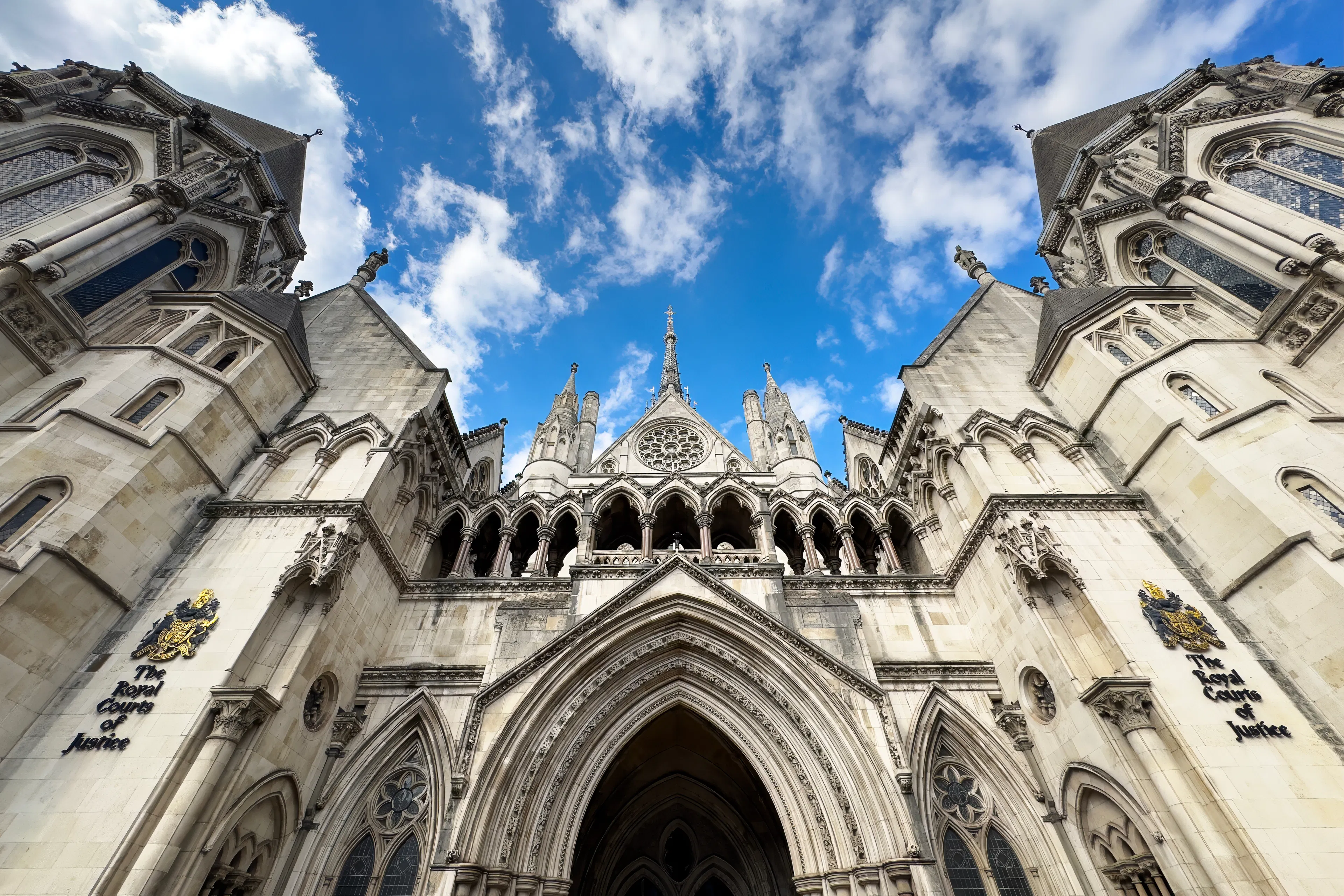
The Court of Appeal has issued a significant judgment in Black Horse Ltd v Angel and Others, on 30 June 2026 [1]. The decision will impact on thousands of car finance claims across England and Wales for many years to come.
Although the decision does not determine whether motorists are entitled to car finance compensation, it answers an important procedural question. Can courts deal with thousands of similar claims together, or must every case be heard separately?
The Court of Appeal upheld an earlier High Court decision, confirming that claims raising common legal issues can continue through grouped proceedings. Legal experts have described the ruling as a procedural landmark because it provides greater clarity on how complex consumer litigation may be managed where many claimants rely on similar legal arguments.
For motorists following the wider car finance scandal, the judgment is significant because it could shape how future litigation progresses, even though it does not decide whether any individual consumer is entitled to compensation.
What was the Angel case about?
The Angel case concerned the way multiple claims against Black Horse could be managed where consumers alleged similar failings in historic motor finance agreements.
Rather than focusing on the facts of each individual agreement, the courts were asked whether the claims shared enough common legal issues to justify being managed together.
The claimants argued that many cases raised overlapping questions about commission arrangements, lender responsibilities and consumer rights.
The claimants contended that many of the cases raised common questions, including the terms of the commission arrangements, the responsibilities of the lenders, and the rights of consumers.
Black Horse contested this, and argued that each agreement had to be considered on its own circumstances, and that the claims should be heard on an individual basis, rather than being treated as a group.
On 4 March 2025, the High Court dismissed this argument, and agreed that the claims should proceed as grouped proceedings [2]. Black Horse appealed this decision, and on 30 June 2026 the Court of Appeal also dismissed this appeal, and upheld the decision of the High Court that where common legal issues were present the claims could proceed grouped.
Why lawyers are calling it a procedural landmark
The judgment has attracted attention because it confirms an important principle of civil litigation.
Where thousands of claims involve the same legal questions, the courts can resolve those shared issues first before considering matters that are unique to individual claimants.
This does not mean every consumer will receive the same outcome. Instead, it recognises that courts do not need to repeatedly decide identical legal issues in hundreds or thousands of separate hearings.
It has been noted by legal analysts that this is a significant development in the procedural process since it does not restrict the ability to proceed with all of the cases together, where it makes sense to do so for the efficient management of complex claims, while still considering individual circumstances on an as-needed basis. In effect, the decision establishes that variations among claimants do not necessarily preclude collective management of cases where there are significant common issues [3].
The practical implication of the decision is that it is confirmation that where there are a number of common issues which cut across a large group, significant differences between some of the claimants will not necessarily rule out collective management.
Why did the Court reject the lender's argument?
One of the key questions the Court of Appeal had to consider was whether variations between individual agreements made collective proceedings unmanageable.
Black Horse argued that each agreement was made with different facts, different customers and different circumstances, and so the claims should not be managed together.
The Court of Appeal disagreed.
It concluded that while individual issues will still need to be considered later, there are sufficient common questions for the litigation to continue as grouped proceedings.
The judges considered that a ruling on the common issues would in any event lead to the efficient administration of justice and would not obviate the need to consider the cases individually where necessary.
By endorsing the approach taken by the High Court, the Court of Appeal confirmed that collective management of a case can still be suitable, even where there are individual variations.
What are omnibus claims?
The Angel judgment is often discussed alongside the term "omnibus claims" [4], but the concept is simpler than it sounds.
Instead of thousands of similar mis-sold car finance claims being heard separately by the courts, the courts can identify legal questions that are common to the whole group and make a determination on those issues.
Individual issues, such as whether a particular consumer was subject to loss or is entitled to compensation can be decided afterwards if necessary.
It reduces duplication, enhances consistency and enables complex mass litigation with many claimants to be dealt with more speedily.
The decision does not mean that all claims will automatically have the same result. Rather, it creates a flexible and pragmatic mechanism for dealing with groups of claims that raise common issues, while also permitting individual issues to be dealt with separately, where necessary.
What does the ruling mean for motorists?
For consumers considering a car finance claim, the judgment does not create any new legal rights or automatically increase the likelihood of receiving compensation.
Questions about liability, individual circumstances and potential car finance compensation remain to be determined through ongoing litigation or the Financial Conduct Authority's proposed redress scheme [5].
However, the decision provides greater certainty about how courts may deal with large volumes of similar litigation arising from alleged car finance mis-selling.
It also confirms that collective proceedings remain available where many consumers rely on common legal arguments against the same lender.
How does this relate to the FCA's work?
The Angel judgment is separate from the proposed FCA car finance compensation scheme.
The FCA's redress programme remains subject to legal challenges [6] before the Upper Tribunal and concerns how eligible consumers may receive compensation if the scheme proceeds.
The Court of Appeal decision, by contrast, concerns court procedure rather than regulatory compensation.
While both developments stem from the wider car finance scandal, they address different parts of the legal landscape.
One focuses on how courts manage litigation. The other concerns how the regulator proposes to compensate eligible consumers.
What about PCP agreements?
Many of the finance agreements at the centre of the wider litigation involve PCP car finance, making the ruling relevant to consumers exploring PCP claims and broader PCP finance claims.
However, motorists should not interpret the judgment as confirming that agreements involving mis-sold PCP car finance automatically qualify for PCP refund or a PCP compensation claim.
The Court of Appeal did not decide whether lenders acted unlawfully or whether individual consumers are entitled to redress. Those questions remain subject to separate legal and regulatory processes.
Looking ahead
The Angel judgment is unlikely to be the final chapter in motor finance litigation, but it is an important one.
In the light of the Court of Appeal decision of 30 June 2026, the judgment is now one of the most important procedural in the car finance scandal. By upholding the procedure of determining common legal issues collectively before looking at individual cases, the Court has given more certainty to the way that mass consumer litigation can be dealt with going forward.
The decision will provide a clearer framework for how some of the biggest car finance claims of the coming years will be dealt with in court as the FCA continues to refine its proposed compensation scheme. Although the ruling did not determine who will or will not receive car finance refund, it has set an important precedent for how complex motor finance claims could move forward in court.
_________
References:
- The Court of Appeal has issued a significant judgment in Black Horse Ltd v Angel and Others, on 30 June 2026 - https://www.casemine.com/judgement/uk/6a440b3fd8769669b493beea
- On 4 March 2025, the High Court dismissed this argument, and agreed that the claims should proceed as grouped proceedings - https://www.iclr.co.uk/document/2025001453/2025ewhc490kb_TNA/html
- the decision establishes that variations among claimants do not necessarily preclude collective management of cases where there are significant common issues - https://www.hendersonchambers.co.uk/2026/07/14/alerter-all-for-one-and-one-for-all/
- The Angel judgment is often discussed alongside the term "omnibus claims" - https://www.lawgazette.co.uk/legal-updates/why-angel-is-a-procedural-landmark/5127335.article
- Financial Conduct Authority's proposed redress scheme - https://www.fca.org.uk/publication/policy/ps26-3.pdf
- The FCA's redress programme remains subject to legal challenges - https://uk.finance.yahoo.com/news/watchdog-warns-millions-face-fresh-120203420.html